
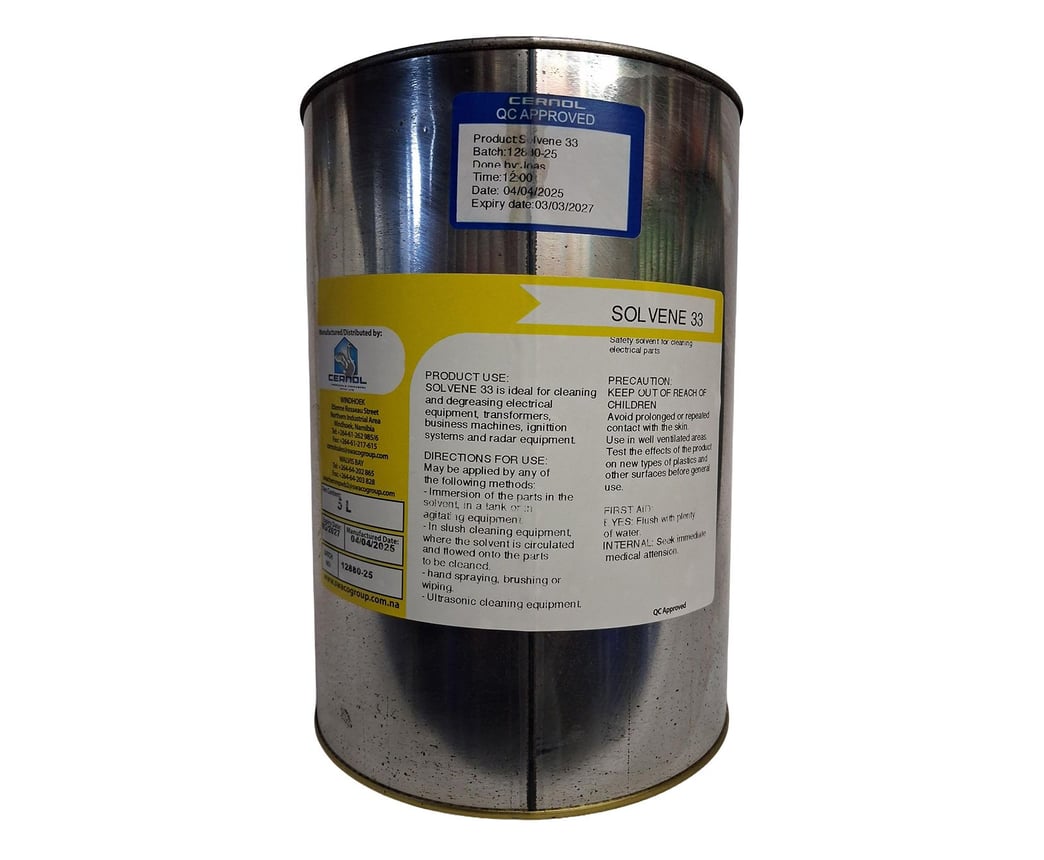
Solvene 33
SolveneTechnicalSolvent cleaner for electrical parts (liquid) — trucks, boats and fixed plant.
Available in5 L25 L
Available from: Windhoek & Walvis Bay agent
The Solvene range — Cernol’s own solvent cleaners for electrical and mechanical parts — gives Namibian workshops, mines and fishing fleets a locally blended answer to imported contact cleaners, in bulk packs that make daily use affordable.
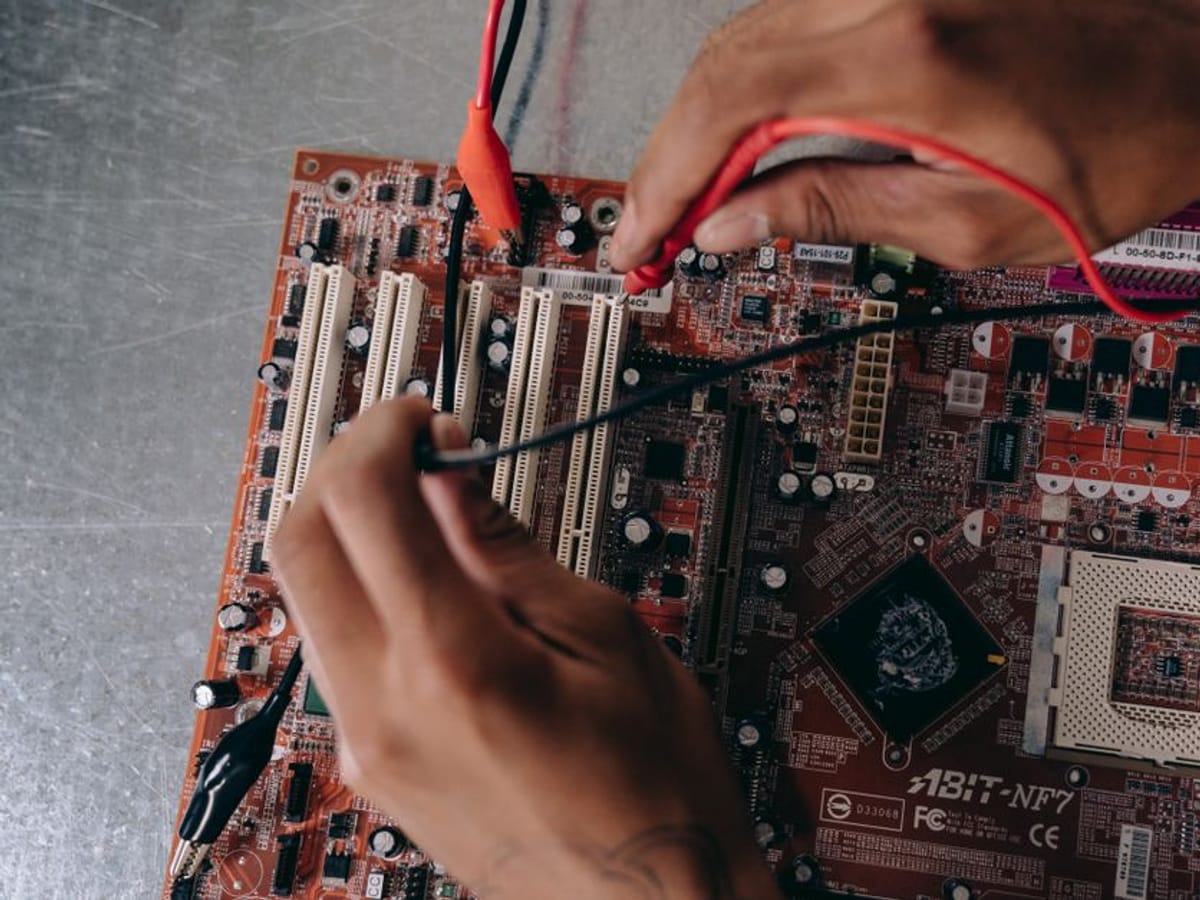
Descriptions as published in the Cernol catalogues and industry segmentation.
Solvent cleaner for electrical parts (liquid) — trucks, boats and fixed plant.
Available in5 L25 L
Available from: Windhoek & Walvis Bay agent
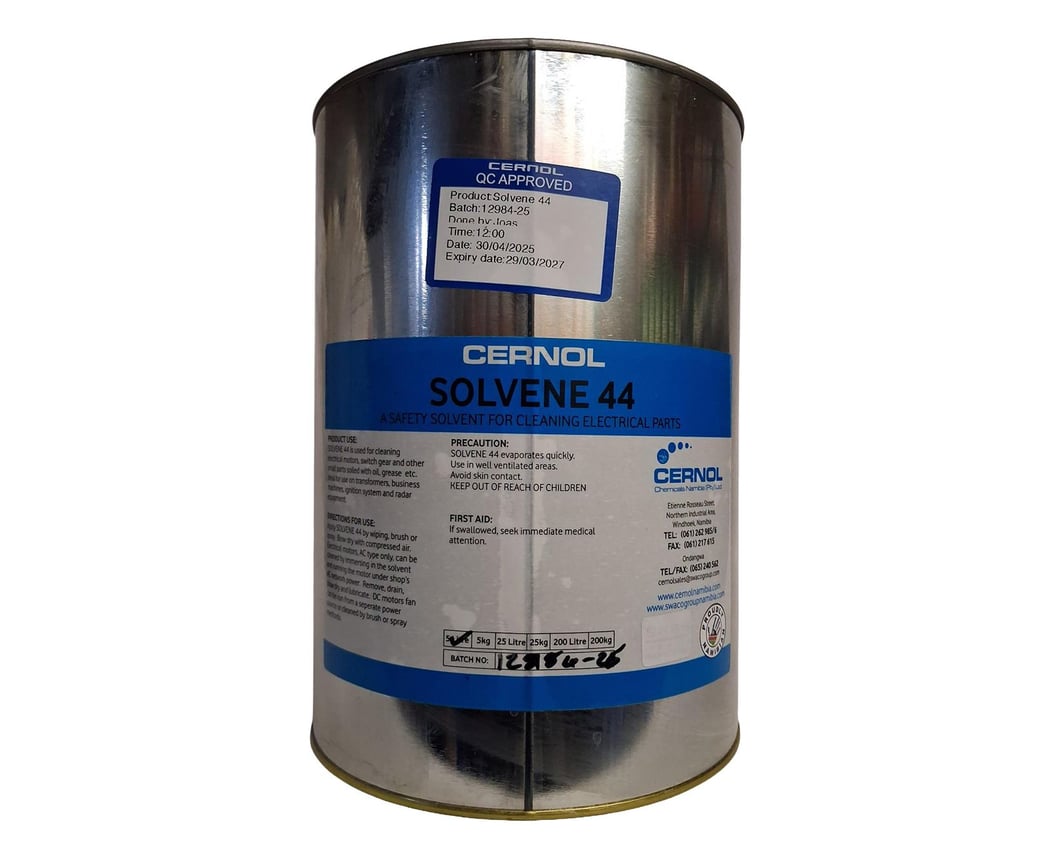
Fast-drying solvent cleaner for electrical parts (liquid) — minimal downtime before re-energising.
Available in5 L25 L
Available from: Windhoek
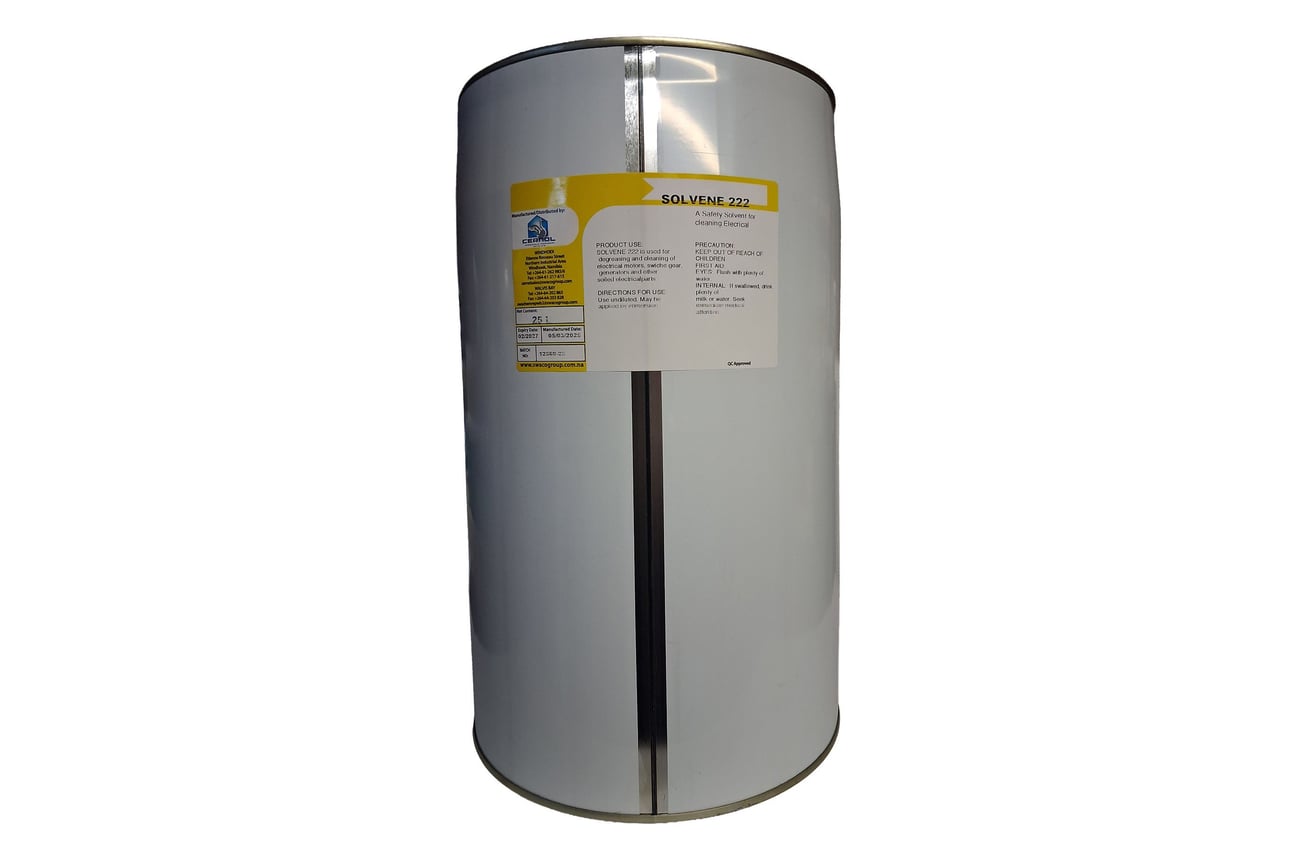
Solvent cleaner in aerosol format for spot cleaning and awkward access.
Available inAerosol5 L25 L
Available from: Windhoek
Solvene 33 is the standard solvent cleaner for electrical parts — alternators, starters, switchgear, connections on trucks, boats and fixed plant. Solvene 44 does the same job but flashes off faster, which matters when the machine must go straight back into service, and it is the grade mine electricians tend to specify. Solvene 222 is the aerosol for spot cleaning and awkward access. All three are for de-energised equipment: isolate first, clean, allow the solvent to evaporate fully, then re-energise.
Cost and continuity. A workshop that cleans electrical and mechanical parts daily burns through aerosol cans at retail prices, and imported brands disappear off Namibian shelves whenever supply chains hiccup. Solvene is blended in Windhoek and supplied in 5 L and 25 L, so a squeeze bottle or parts-washer refilled from a drum costs a fraction per clean — and the aerosol format (Solvene 222) is still there for the toolbox. For a mine or fishing fleet the difference over a year is substantial.
Generally yes on the engineering plastics and wire insulation found in automotive and industrial electrics, but always test on soft plastics, rubber and painted surfaces first — solvents differ, and some polycarbonates and acrylics craze on contact with any strong solvent. Apply, agitate lightly, and let it evaporate; don’t leave components soaking. If you have a sensitive assembly (instrument clusters, sensor housings), ask us before you clean — we know exactly what is in the blend, because we make it.
Treat them as flammable and vapour-heavy: no smoking, no open flames or grinding sparks nearby, and ventilate — vapours pool in pits and enclosed engine rooms, which is a real consideration on boats. Isolate electrical equipment before cleaning and let the solvent evaporate completely before re-energising. Wear nitrile (not latex) gloves, keep containers closed, and store away from oxidisers and out of the sun. Absorb spills with Peat D or Vermiculite rather than washing them to a drain.
Quotes the same business day wherever possible — from the Windhoek factory, delivered across Namibia.